Source Solar Powered Electric Fence for Farms, Gardens, and Ranches
Find 30 solar powered electric fence units with varying specifications including 11W panels and IP68 waterproof ratings. Compare models like EF-B1S020 and EEF-101 from Guangzhou and Jiangsu suppliers to find the right solution for your needs.
Key considerations
Products List


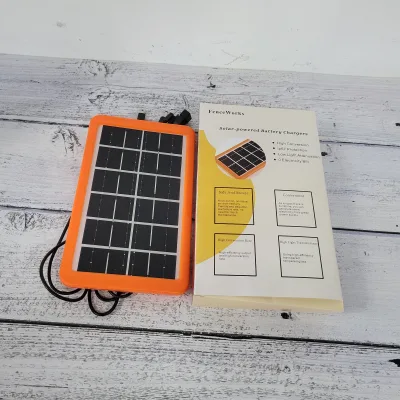


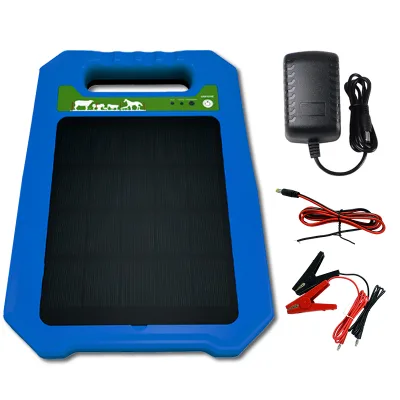


Comprehensive Sourcing Guide
Strategic Sourcing Guide for Solar Powered Electric Fence Systems
Procuring solar-powered electric fence systems requires a rigorous approach that balances technical performance, regulatory compliance, and supply chain reliability. For buyers in the agricultural and security sectors, the decision to source these systems involves evaluating complex specifications regarding power generation, energy storage, and durability. The following guide outlines the critical factors for sourcing these products, grounded in observed market data and technical requirements.
Technical Specifications and Power Output Analysis
The core functionality of a solar-powered electric fence relies on the synergy between photovoltaic panels, battery storage, and the energizer unit. Buyers must scrutinize the specific power output ratings to ensure the system meets the demands of the intended perimeter. Market observations indicate that systems often feature monocrystalline solar panels with a maximum power output (Pmax) of 11 Watts. This specific wattage is critical for calculating the energy balance; a 11W panel typically generates a voltage at maximum power (Vmp) of 18 Volts and a current at maximum power (Imp) of 0.64 Amperes.
Energy storage is equally vital for maintaining fence operation during periods of low sunlight. The observed data points to a battery charge voltage requirement of DC16-24V, with a typical power source configuration of a DC12V/9Ah battery, though buyers should note that the battery is often not included in the base unit price. The system's autonomy is a key performance metric; high-performance units are designed to operate for up to eight days without sunlight. This capability is supported by a load storage energy output of 2 Joules at 5 Ohms and a peak storage pulse voltage output of 10kV. The load pulse voltage output is typically rated at 4.3kV at 500 Ohms, which is sufficient for deterring livestock or intruders.
The physical design of the energizer also impacts installation and maintenance. The shell material is frequently specified as ABS Plastic, chosen for its impact resistance and weatherability. The device is designed for outdoor use with a waterproof rating of IP68, ensuring protection against dust and immersion. Additional features include built-in lightning protection and water-proofing capabilities. Visual indicators are standard for maintenance; a red light indicates pulse voltage output, a green light signals charging status, and a blue light confirms a fully charged battery. The unit often includes a magnet induction power switch for easy on/off control.
Compliance and Certification Verification
In the global B2B market, compliance is not merely a formality but a prerequisite for market access and liability protection. When sourcing solar electric fence systems, buyers must verify that products carry recognized certifications. The observed product data highlights a consistent requirement for CE and RoHS certifications. These indicate conformity with European health, safety, and environmental protection standards. Furthermore, specific product standards observed in the market include FCC, ISO9001:2000, and E-MARK. The presence of these standards suggests adherence to electromagnetic compatibility and quality management systems.
Buyers should be aware that certification requirements can vary by destination market. While the observed data lists CE, FCC, and E-MARK, some products may also reference specific standards like 6×40 or ISO9001:2000. It is essential to request valid certification documents from the supplier rather than relying solely on product descriptions. The absence of these certifications can lead to customs delays or legal liabilities in regions with strict regulatory frameworks. Additionally, the product origin is a significant factor; observed data points to manufacturing locations in Guangzhou and Jiangsu, China. While these are major manufacturing hubs, buyers must ensure that the specific batch of goods carries the necessary export certifications for their target region.
Cost Drivers and Pricing Structures
The pricing of solar-powered electric fence systems is influenced by a complex interplay of material costs, manufacturing processes, and order volume. The observed market data reveals a wide price range, from $0.09 to $1,499. This disparity reflects the difference between individual components, such as fence accessories, and complete energizer units with solar panels and batteries. The minimum order quantity (MOQ) is a primary driver of unit cost. Data indicates an MOQ range of 1 to 2,000 pieces. For buyers seeking to minimize upfront capital expenditure, finding suppliers with lower MOQs is critical, though this often comes at a higher per-unit price.
Material composition significantly impacts the final cost. The use of aluminum for frame finishing and ABS plastic for the shell are standard, but the finishing process adds value. Observed processes include powder coating and PVC coating, which enhance durability against corrosion and UV exposure. The frame finishing method, whether powder-coated or PVC-coated, directly affects the product's lifespan and price point. Buyers should also consider the cost of customization. While customization is available, it typically incurs additional tooling or setup fees. The packaging method, whether in a cartoon box, carton, or on a pallet, also influences logistics costs. For large-scale deployments, purchasing on pallets may reduce per-unit shipping costs but requires higher initial inventory investment.
Typical Applications and Operational Scope
Solar-powered electric fences are versatile tools deployed across various sectors, primarily in agriculture and perimeter security. The observed application data explicitly mentions "Chicken" and "Farm Fence Accessories," indicating a strong presence in poultry and livestock farming. The system's ability to energize areas up to 20 acres makes it suitable for medium to large-scale farms. In these environments, the fence serves as a non-lethal deterrent to keep animals contained and predators out.
Beyond agriculture, the high voltage output and waterproof capabilities make these systems ideal for security applications in remote locations where grid power is unavailable. The "No Vegetation" range of up to 50 miles suggests the system's potential for long-distance perimeter security, although this metric likely refers to the total length of fencing the energizer can support under ideal conditions rather than a physical range of the signal itself. The specific model numbers observed, such as EF-B1S020, EF-B1S007, and EEF-101, suggest a variety of configurations tailored to different power needs and enclosure sizes. Buyers should match the specific application requirements, such as the type of livestock or the terrain, to the correct model specifications to ensure optimal performance.
Supplier Evaluation and Product Attributes
Evaluating a supplier for solar electric fence systems requires a deep dive into their product attributes and manufacturing capabilities. The observed data indicates that products are available in black color and feature a square hole shape for mounting or assembly. The weave technique is noted as "Stamping," which is a specific manufacturing process that affects the structural integrity of the components. Buyers should verify if the supplier offers computerized manufacturing; the data notes "Non-Computerized" for certain attributes, which may imply manual assembly processes that could affect consistency.
The condition of the product is listed as "New," which is standard for B2B transactions, but buyers must ensure that "New" implies genuine, unused inventory rather than refurbished goods. The packing specifications vary, with options including cartoon boxes, cartons, and pallets. This flexibility allows buyers to choose packaging that suits their logistics strategy. When evaluating suppliers, buyers should request samples to verify the physical attributes, such as the shell material and frame finishing, against the provided specifications. The presence of specific model numbers like EF-B1S007#3 indicates a range of variants, and buyers must ensure they are ordering the exact configuration required for their project.
Quality Control and Long-Term Procurement Considerations
Quality control in the solar electric fence sector must address both the electrical components and the physical durability of the units. The IP68 waterproof rating is a critical quality metric that must be validated through testing. Buyers should request test reports confirming the IP rating, as this ensures the unit can withstand heavy rain and dust without failure. The built-in lightning protection is another quality feature that requires verification to ensure it meets the necessary surge protection standards.
Long-term procurement considerations involve the lifecycle of the product. The battery charge voltage and the system's ability to operate for up to eight days without sunlight are key indicators of reliability. However, batteries have a finite lifespan, and buyers should plan for periodic replacement. The solar panel's power output of 11W is a fixed attribute, so buyers must ensure the system is sized correctly for the intended area to avoid under-powering the fence. The standard of CE, FCC, ISO9001:2000, RoHS, and E-MARK provides a baseline for quality, but ongoing compliance checks are necessary as regulations evolve.
| Feature Category | Observed Specification | Procurement Verification Point |
|---|---|---|
| Solar Panel | 11W (Monocrystalline), Vmp: 18V, Imp: 0.64A | Verify panel efficiency and warranty |
| Battery | DC12V/9Ah (Not Included), Charge: DC16-24V | Confirm battery compatibility and inclusion |
| Output | Peak: 10kV, Load: 4.3kV @ 500Ω | Test pulse voltage under load conditions |
| Protection | IP68, Built-in Lightning Prot | Request IP rating test certificates |
| Materials | ABS Plastic Shell, Aluminum Frame | Inspect material thickness and coating |
| Certification | CE, RoHS, FCC, ISO9001:2000, E-MARK | Validate current certification documents |
Conclusion
Sourcing solar-powered electric fence systems is a multifaceted process that demands attention to technical details, regulatory compliance, and supplier reliability. The observed market data provides a clear picture of the available specifications, ranging from 11W solar panels to IP68 waterproof ratings. Buyers must navigate the wide price range and MOQ requirements to find a solution that fits their budget and scale. By rigorously verifying certifications, understanding the cost drivers, and evaluating the specific applications, buyers can secure high-quality systems that ensure safety and security for their operations. The continuous evaluation of supplier capabilities and product attributes will lead to successful long-term procurement outcomes in this specialized market.
FAQs
What is the solar panel power output for these systems?
The systems typically feature a monocrystalline solar panel with a maximum power output of 11 Watts. This specific wattage generates a voltage at maximum power of 18 Volts and a current of 0.64 Amperes to ensure consistent energy generation.
Can the fence energizer operate without sunlight for several days?
Yes, high-performance units are designed to operate for up to eight days without sunlight. This autonomy is supported by a load storage energy output of 2 Joules at 5 Ohms and a peak storage pulse voltage output of 10kV.
Which certifications are required for these solar fence systems?
Products must carry recognized certifications including CE, RoHS, FCC, and E-MARK. Some units also adhere to ISO9001:2000 standards, ensuring conformity with European health, safety, and environmental protection requirements for global market access.
How much area can the system energize effectively?
The system is capable of energizing areas up to 20 acres. This capacity makes it suitable for medium to large-scale farms, particularly for applications involving chicken or other livestock that require perimeter security.
What is the minimum order quantity for purchasing these units?
The minimum order quantity ranges from 1 to 2,000 pieces depending on the supplier. Specific listings indicate an MOQ of 2,000 pieces for certain configurations, while others may accept smaller orders for individual components.
Is the product shell material suitable for outdoor use?
Yes, the shell material is specified as ABS Plastic, chosen for its impact resistance and weatherability. The device features an IP68 waterproof rating, ensuring protection against dust and immersion for reliable outdoor performance.